Category: Uncategorized

  • Why Different Power Cables Are Used for Different Applications

    Why Different Power Cables Are Used for Different Applications

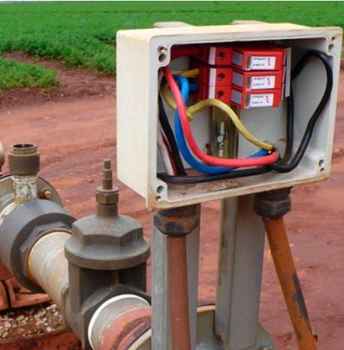
    At Temuku Africa, we design and deliver electrical and renewable energy solutions that meet international safety and performance standards. One of the most important design considerations in any project—whether it’s a home installation, a solar plant, or a utility-grade system—is selecting the correct type of power cable.

    Different cables exist for a reason. Using the wrong type of cable can result in overheating, voltage drop, equipment damage, or even fire hazards. This article explains why various cable types are used in different environments, and highlights the relevant IEC, ISO, and SAZ standards that guide Temuku Africa’s engineering work.


    1. Hard-Stranded vs. Soft-Stranded Conductors

    Hard-Stranded / Solid Conductors

    These are best suited for fixed installations such as building wiring and distribution boards.

    Advantages:

    • Lower resistance variation along the conductor
    • Cost-effective
    • Easy to terminate
    • Stable inside conduits and trunking

    Typical Applications:
    Residential wiring, commercial building installations, fixed circuits.


    Soft-Stranded / Flexible Conductors

    Flexible conductors are essential where movement, vibration, or bending is expected.

    Advantages:

    • Highly flexible (high strand count)
    • Ideal for environments with vibration or frequent manipulation
    • Reduced risk of conductor fatigue

    Typical Applications:
    Solar PV strings, battery banks, welding machines, generators, and industrial machinery.


    2. DC Cables vs. AC Cables

    DC Cables

    Temuku Africa uses DC cables primarily in solar PV arrays, battery systems, EV charging components, and telecom power systems.

    Key Characteristics:

    • Thicker insulation to withstand continuous DC voltage stress
    • UV- and ozone-resistant for outdoor installations
    • Tinned copper for corrosion protection
    • Optimized for low resistance and low inductance

    Relevant Standard: IEC 62930 – Solar PV DC cables


    AC Cables

    AC cables are used in utility distribution networks, household circuits, industrial systems, and motor installations.

    Key Characteristics:

    • Designed for alternating voltage cycles
    • Often multi-core (Live, Neutral, Earth)
    • Optimized for reactive loads such as motors and transformers

    Relevant Standard: IEC 60502 – LV/MV power cables


    3. Insulation and Sheathing Materials Matter

    Different environments require specific insulation to ensure long-term reliability and safety.

    Common Insulation Types

    • PVC – Cost-effective, used in general building wiring
    • XLPE – Superior temperature rating and dielectric strength; used in LV/MV utility systems
    • Rubber (EPR/Neoprene) – High flexibility; used in mining, heavy industry, and mobile equipment
    • LSZH (Low Smoke Zero Halogen) – Safer in fire situations, ideal for public buildings and enclosed spaces

    Environmental Suitability

    • Outdoor PV installations: UV-resistant single-core solar cable (IEC 62930)
    • Underground runs: Armoured cables (SWA/AWA) to protect against mechanical damage
    • Industrial plants: Oil-, moisture-, and chemical-resistant sheaths depending on the process environment

    4. Standards that Guide Cable Selection (IEC, ISO, SAZ)

    At Temuku Africa, every installation complies with global and regional standards to guarantee safety, performance, and long-term reliability.

    IEC Standards

    • IEC 60228 – Conductor sizing and classification
    • IEC 60502-1/2 – Low- and medium-voltage cable construction
    • IEC 60332 – Flame-retardant testing
    • IEC 62930 – Solar DC cable specification

    ISO Standards

    These guide the manufacturing quality and environmental compliance of cable producers:

    • ISO 9001 – Quality management
    • ISO 14001 – Environmental management

    SAZ Standards (Zimbabwe)

    SAZ adopts and harmonizes many IEC standards, ensuring local compliance:

    • SAZS 741 – Electrical installations
    • SAZS 732 – Wiring cable specifications
    • SAZS 292 – PVC-insulated cables

    Other Regional Standards

    • SANS 1507 (South Africa) – LV cable standards
    • BS 5467 & BS 6724 (UK) – Armoured cable specifications

    5. Matching Cable Type to the Application

    Below is a quick reference guide summarizing where different cables are used:

    ApplicationRecommended CableReason
    Residential building wiringSolid conductor PVC cableCost-effective, fixed installation
    Solar PV arraysFlexible PV1-F cableUV-proof, tinned copper, designed for DC stress
    Battery systemsHigh-strand flexible DC cableHandles high current & vibration
    Motors and pumpsArmoured XLPE cableExtra protection & high temperature rating
    Underground networksSWA/AWA armoured cableMechanical and moisture protection
    Substation LV/MVXLPE insulated utility-grade cableHigh dielectric strength & longevity

    Conclusion

    Cable selection is not a one-size-fits-all process. Every installation—domestic, commercial, industrial, or solar—has specific electrical and environmental demands. At Temuku Africa, we follow internationally recognized standards and engineering best practices to ensure that every system is safe, reliable, and built to last.
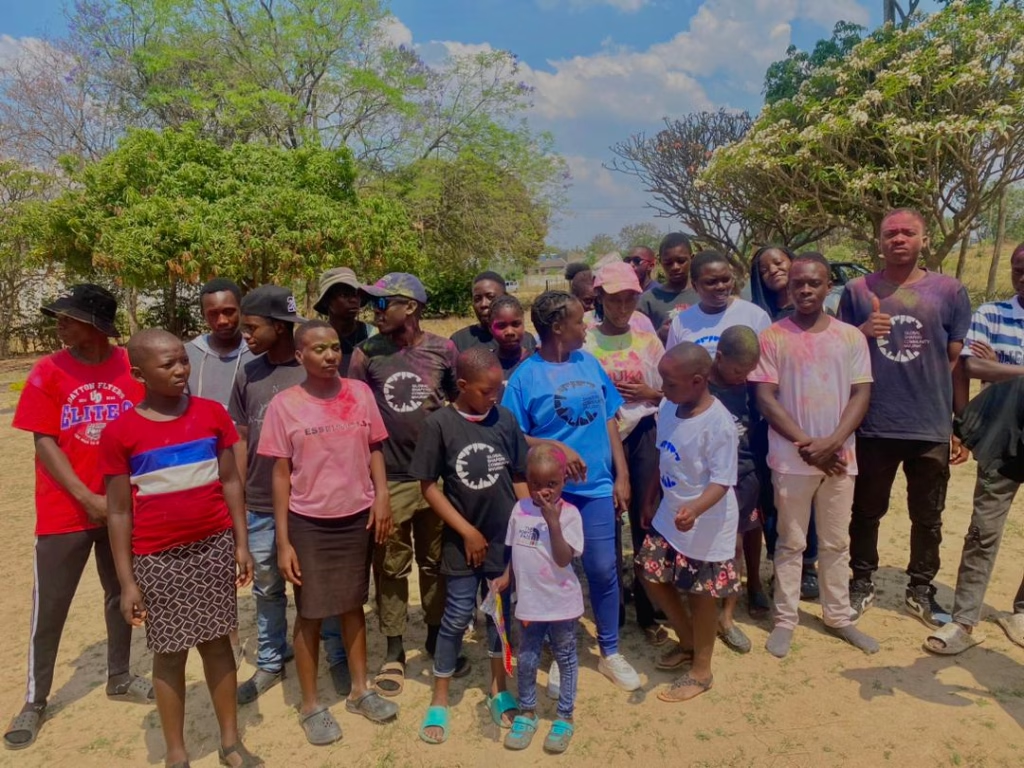
  • Temuku Africa Partners with Mvurwi Hub to Empower Rural Communities

    Temuku Africa Partners with Mvurwi Hub to Empower Rural Communities

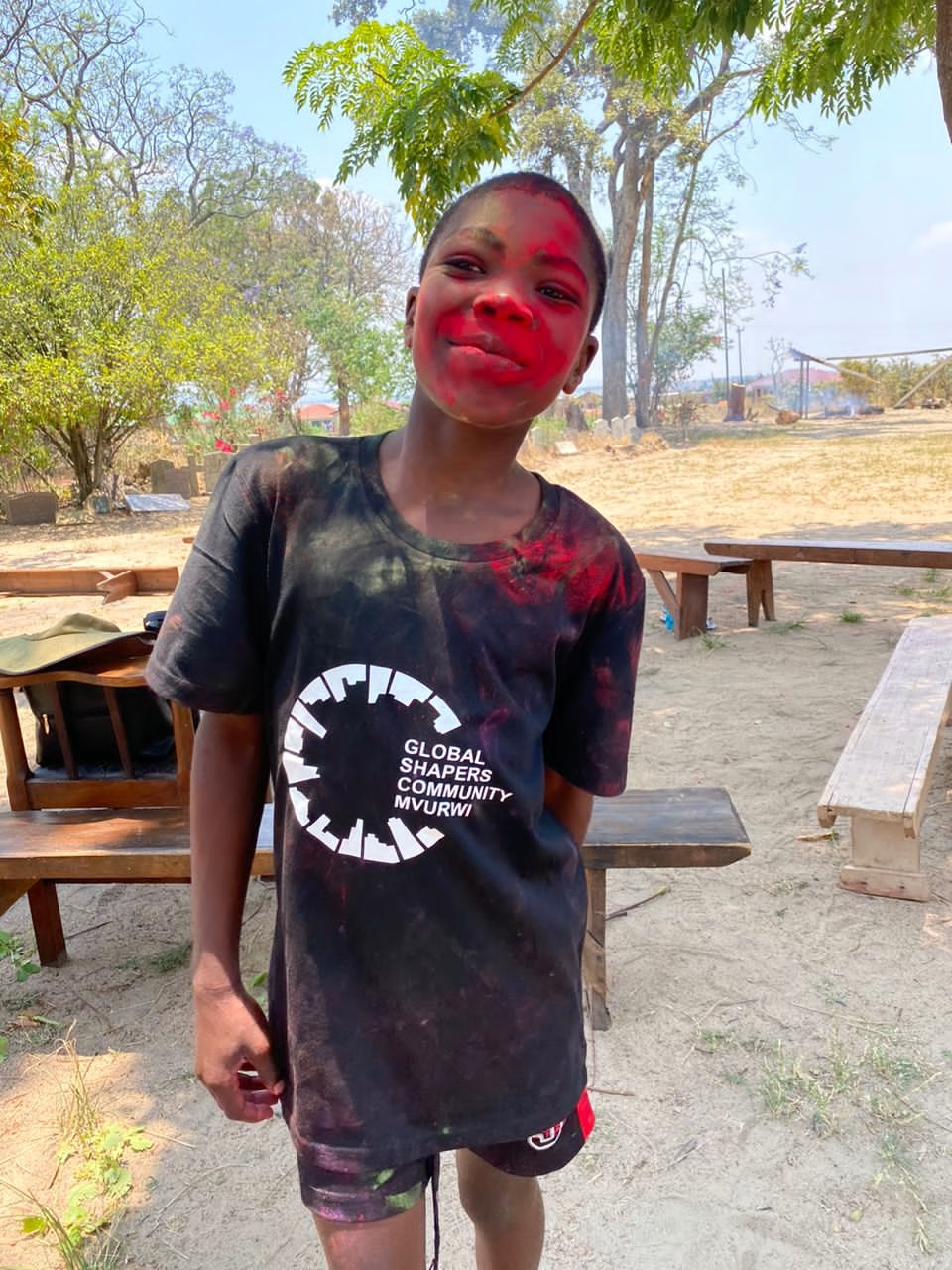
    At Temuku Africa, we believe that long-term partnerships create lasting impact. We are proud to announce our new collaboration with Mvurwi Hub of the Global Shapers Community, a dynamic youth-led organization that is empowering the Mvurwi community through skills, innovation, and sustainability.

    This partnership builds on our shared vision of transformative development in underserved communities. By combining Temuku Africa’s technical expertise in engineering, procurement, and construction with Mvurwi Hub’s grassroots youth empowerment programs, we are laying the foundation for projects that are both community-owned and future-focused.

    Through this collaboration, we aim to:

    • Provide access to renewable energy solutions that drive social and economic progress.
    • Support youth training and capacity building for the future economy.
    • Foster inclusive development that benefits women, children, and rural families.

    This is more than just a partnership — it is a commitment to building resilient, self-sustaining communities in Zimbabwe and beyond.

    We look forward to sharing updates on our joint initiatives, starting with pilot projects in Mvurwi, and scaling them across the country. Together, we can spark innovation, opportunity, and impact.

    Temuku Africa
    Building Sustainable Futures.

  • The Future is on Your Wrist: How Wearable Technology is Changing Our World

    The Future is on Your Wrist: How Wearable Technology is Changing Our World

    From smartwatches that monitor your heartbeat to fitness trackers that count every step, wearable technology has quickly become part of our everyday lives. What once seemed like science fiction is now a reality — technology that doesn’t just sit on our desks but moves with us, helping us stay connected, healthier, and more productive.

    Globally, wearables are reshaping industries from healthcare (remote patient monitoring), sports (performance tracking), to workplaces (smart glasses for training and safety). In Africa, we’re beginning to see exciting opportunities where wearable devices can bridge gaps in healthcare access, improve personal security, and even open new avenues in mobile banking and digital identity.

    At Temuku Africa, we see wearable technology as more than a trend — it’s part of the digital leap that will define the future economy. By combining innovation with local solutions, we can ensure these tools don’t just entertain, but empower communities. Imagine rural health workers using smart devices to monitor patients remotely, or farmers tracking productivity through connected tools — the possibilities are endless.

    💡 What do you think? Would you wear a device that tracks your health, energy use, or even payments? Share your thoughts with us — the conversation starts here.

    Engage with us on all social media platforms for technology and development conversations

    Follow our WhatsApp Channel for updates: https://whatsapp.com/channel/0029VbBCTSAEgGfSRSlVZj05

  • Temuku Africa Publishes Its Privacy Policy

    Temuku Africa Publishes Its Privacy Policy

    At Temuku Africa, we are committed to protecting your personal information and ensuring transparency in how we handle data. As part of this commitment, we have published our official Privacy Policy, effective 20 June 2025.

    This policy outlines:

    • What data we collect and why
    • How we use, store, and protect your information
    • Your rights regarding your data

    We encourage all visitors, partners, and stakeholders to read the policy to better understand how we safeguard your privacy.

  • Our Commitment to Sustainable Growth

    Our Commitment to Sustainable Growth

    At Temuku Africa, we believe that responsible business is the foundation for long-term value creation. Our Environmental, Social, and Governance (ESG) Policy reflects our dedication to integrating sustainability, equity, and ethical governance into every aspect of our operations.

    This policy outlines the principles that guide our decision-making — from minimizing environmental impact and empowering local communities to upholding transparency, accountability, and sound governance practices.

    As we grow, we remain committed to:

    • Supporting the transition to a low-carbon, climate-resilient economy
    • Championing inclusive development and capacity building, especially in underserved communities
    • Ensuring integrity, transparency, and strong leadership across all levels of our organization

    We invite our partners, clients, and stakeholders to review our ESG policy and join us in building a more sustainable and equitable future.